
Screen Time, Play Time, and Learning at Home: Finding the Right Balance for Children
In today’s digital world, screens are a common part of daily life. From educational programs to video calls with loved ones, technology can offer benefits—but for young children, balance is essential. Many parents wonder how much screen time is appropriate and how to support learning at home without relying too heavily on devices.
Understanding the relationship between screen time, play time, and hands-on learning helps families create an environment that supports healthy development.
Understanding Screen Time for Children
Screen time itself isn’t the problem—how it’s used matters most. Age-appropriate, intentional screen time can support learning, while excessive or passive use may impact attention, sleep, and social development.
Experts encourage parents to prioritize quality over quantity by setting limits, choosing educational content, and engaging with children during screen use. When screens supplement learning instead of replacing interaction, children benefit more fully.
The Importance of Play-Based Learning at Home
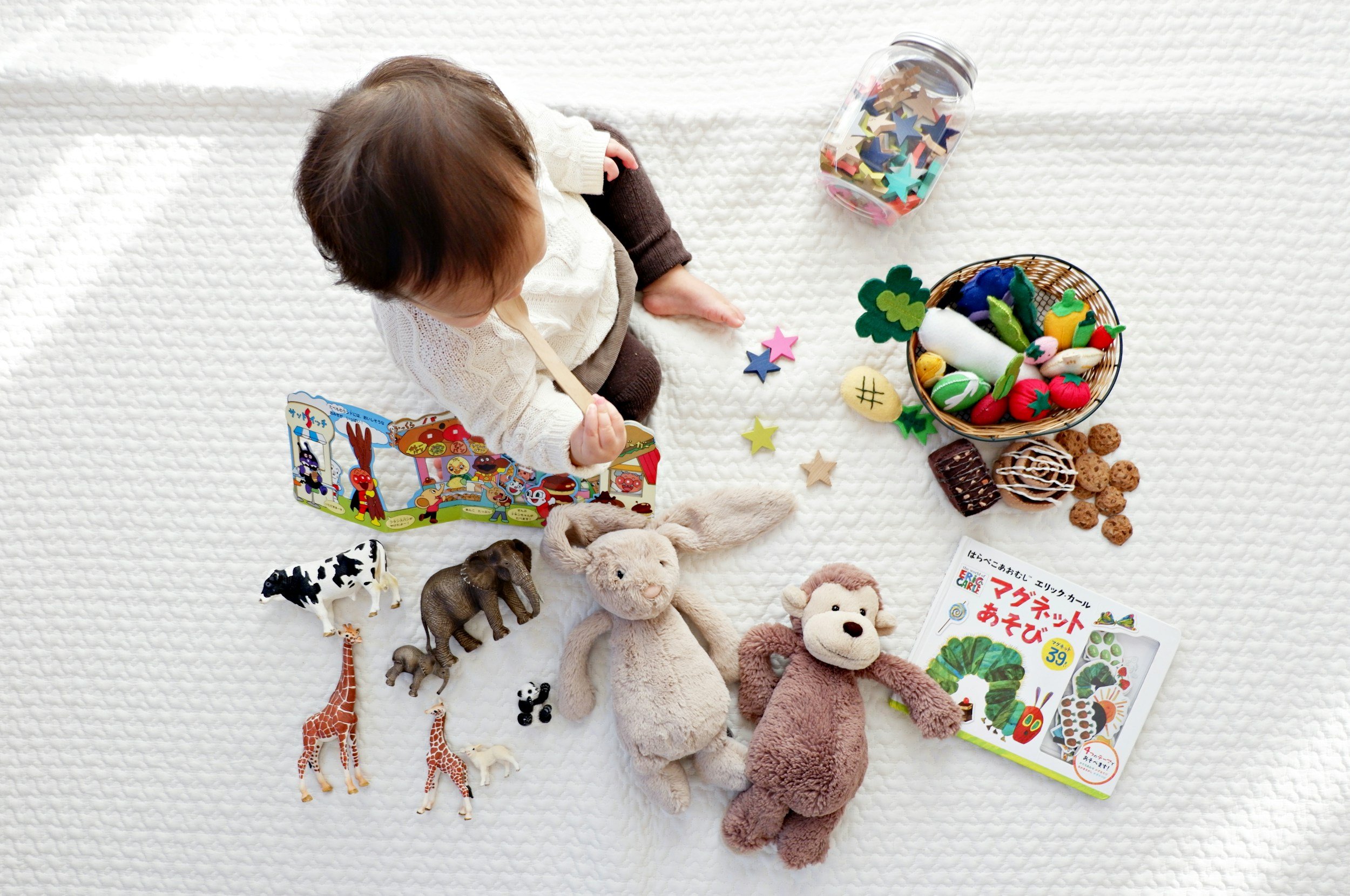
Play is the foundation of early learning. Through play, children build creativity, problem-solving skills, emotional awareness, and social confidence. Unstructured play—such as imaginative games, building activities, and outdoor exploration—allows children to learn at their own pace.
Play-based learning at home also supports physical development and encourages independence, curiosity, and resilience.
Learning Through Everyday Activities
Learning at home doesn’t need to feel formal. Everyday routines like cooking, reading together, sorting toys, or doing chores naturally introduce language, math, and life skills.
When children are encouraged to ask questions and explore their environment, learning becomes meaningful and enjoyable. These moments help reinforce concepts while strengthening caregiver-child bonds.
Creating a Healthy Balance Between Screens and Play
The goal isn’t to eliminate screens entirely, but to create a balanced daily routine where play and interaction take priority. Consistent schedules, clear boundaries, and engaging alternatives to screens help children stay active and focused.
When children have access to creative play and guided learning, screen time becomes just one small part of a well-rounded day.
How a Nanny Supports Learning at Home
A professional nanny can play a vital role in balancing screen time, play time, and learning at home. With focused, one-on-one attention, a nanny can:
Set and maintain healthy screen time boundaries
Encourage play-based learning and creativity
Support developmental milestones through daily activities
Adapt routines to a child’s age and learning style
This individualized approach helps children thrive in a structured yet nurturing home environment.
Finding the Right Caregiver for Your Family
Every family has different values and expectations when it comes to screen time and learning at home. Finding a caregiver who understands and supports those goals makes a meaningful difference.
Nounou Nanny Placement Agency specializes in matching families with experienced, professional nannies who promote healthy development through intentional care, play-based learning, and structured routines at home.
Ready to find the right nanny for your family?
Contact Nounou Nanny Placement Agency today to get started!