
How Nannies Support Social and Emotional Growth in Children
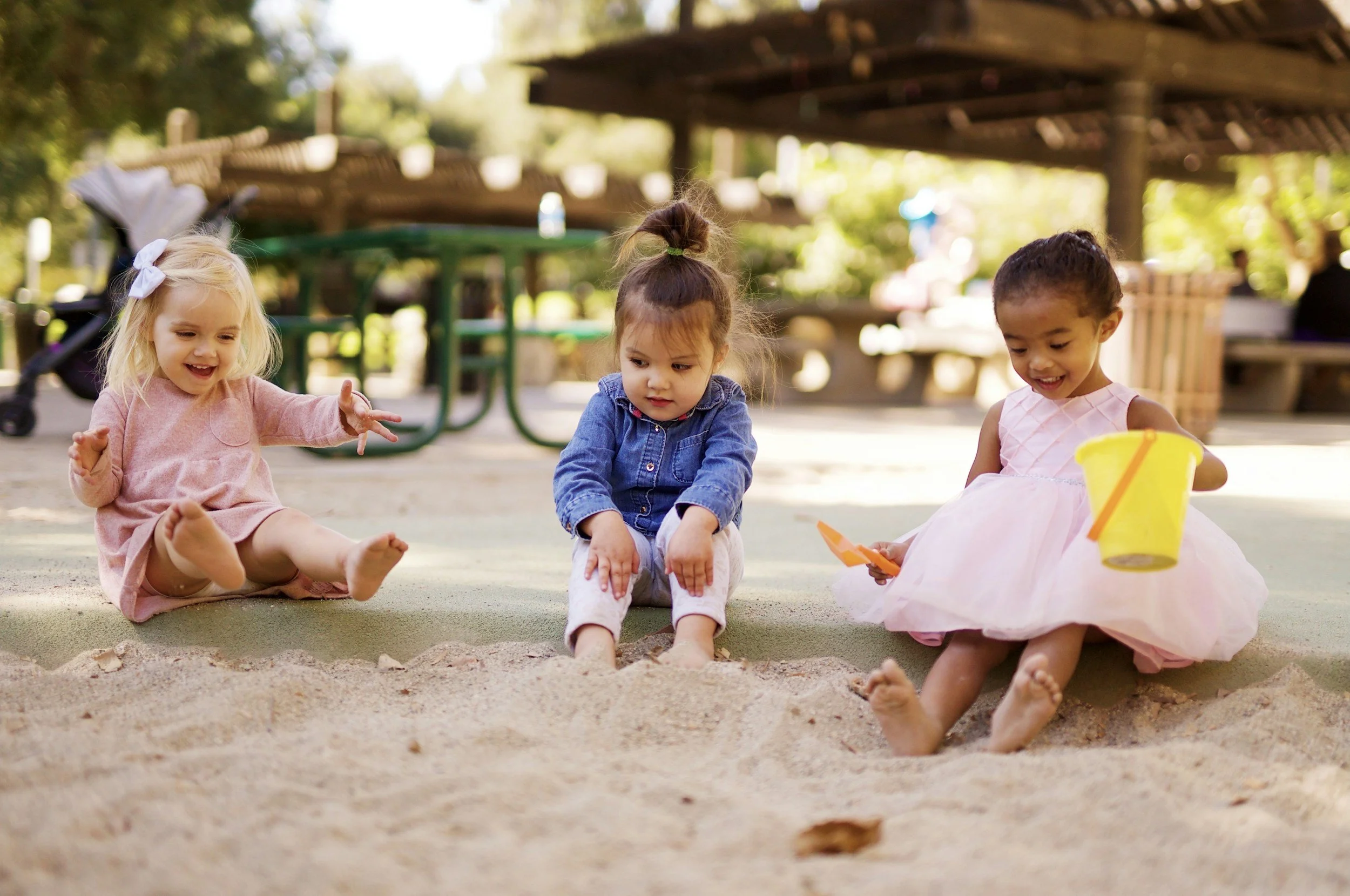
A child’s social and emotional development is just as important as their academic growth. From learning how to express feelings to building confidence and empathy, these early skills shape how children interact with the world around them. With consistent, one-on-one care, nannies play a powerful role in supporting healthy social and emotional growth.
Understanding how nannies contribute to this development helps families see the long-term value of personalized childcare at home.
The Role of Social and Emotional Development in Childhood
Social and emotional growth includes a child’s ability to recognize emotions, build relationships, manage feelings, and develop self-confidence. These skills begin forming in infancy and continue developing throughout early childhood.
Children thrive when they feel safe, understood, and supported—and a trusted nanny helps create that nurturing environment every day.
Building Secure Attachments Through Consistent Care
Consistency is key to emotional development. A nanny who provides reliable, daily care helps children form secure attachments, which are the foundation of emotional stability.
When children know who will comfort them, listen to them, and respond to their needs, they develop trust and confidence. This secure bond allows children to explore their environment, try new experiences, and build independence.
Encouraging Emotional Expression and Communication
Nannies support emotional growth by helping children identify and express their feelings. Through conversation, play, and modeling healthy behavior, nannies teach children that emotions are valid and manageable.
By naming emotions—such as happiness, frustration, or sadness—and guiding children through them, nannies help build emotional intelligence and resilience.
Supporting Social Skills Through Play and Interaction
Social skills develop through interaction. Nannies encourage cooperative play, sharing, and turn-taking, whether through playdates, group activities, or sibling interaction.
With gentle guidance, children learn how to resolve conflicts, communicate needs, and build positive relationships—skills that serve them well in school and beyond.
Promoting Confidence and Independence
A supportive nanny creates opportunities for children to make choices, try new activities, and solve problems. This encouragement builds self-esteem and independence.
When children feel supported rather than pressured, they gain confidence in their abilities and develop a healthy sense of self.
Providing Emotional Stability During Transitions
Life changes—such as starting school, welcoming a new sibling, or adjusting to new routines—can be emotionally challenging for children. A nanny provides stability during these transitions by maintaining routines and offering reassurance.
This consistent presence helps children feel grounded and emotionally secure, even during times of change.
Why One-on-One Care Makes a Difference
Unlike group childcare settings, one-on-one nanny care allows for individualized emotional support. A nanny can recognize subtle emotional cues, respond thoughtfully, and adapt care to each child’s personality and needs.
This personalized attention fosters stronger emotional awareness and deeper social understanding.
Finding the Right Nanny for Your Family
Choosing a nanny who understands and supports your child’s social and emotional growth is essential. Experience, empathy, and consistency all play a role in creating a nurturing environment where children can thrive.
Nounou Nanny Placement Agency specializes in matching families with professional, experienced nannies who support social and emotional development through intentional care, strong relationships, and consistent routines.
Ready to find the right nanny for your family?
Contact Nounou Nanny Placement Agency to begin your personalized placement process today!